
From Pledges to Powerhouses: Crafting Donor Journeys that Inspire Loyalty
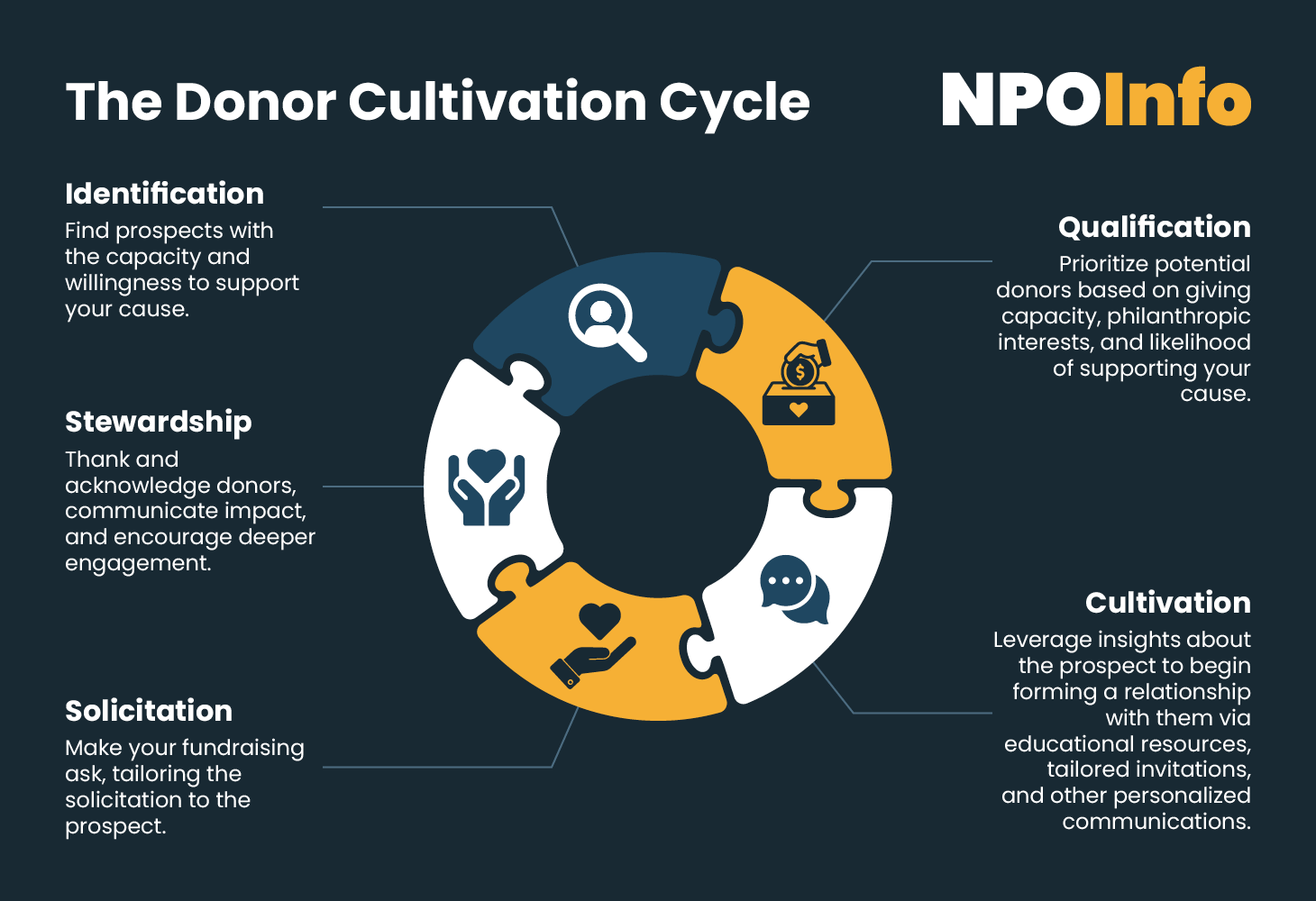
If you’re navigating the nonprofit sector, you know that donor engagement isn’t just about securing a one-time gift; it’s about developing a lasting relationship. Today’s donors are more discerning than ever, and fostering loyalty requires more than traditional tactics. We need innovative strategies that transform pledges into powerful partnerships. Welcome to “From Pledges to Powerhouses: Crafting Donor Journeys that Inspire Loyalty,” where we’ll explore how practical, trend-aware actions can turn single donations into long-term commitments for your organization.
To succeed in the competitive landscape of nonprofit fundraising, it’s crucial to understand the journey your donors will take. This journey should be designed with meticulous care, ensuring every touchpoint is an opportunity to strengthen their commitment to your mission. Here are some strategies to help you craft a donor journey that not only inspires loyalty but also maximizes your fundraising potential.
1. Understanding Your Donors:
The first step in creating an effective donor journey is understanding your audience. This entails more than just knowing their names and donation amounts. You need to delve into their motivations, interests, and preferences. Conducting thorough research and leveraging data analytics tools, such as those offered by DaanVeda, can provide actionable insights into donor behavior. This data allows you to segment your audience effectively and tailor your engagement strategies accordingly.
Key Actions:
- Conduct surveys and interviews to gather qualitative data on donor motivations.
- Utilize analytics tools to track donation patterns, engagement metrics, and communication preferences.
- Segment donors based on their giving history, interests, and engagement levels.
2. Personalized Communication:
Once you understand your donors, the next step is to create personalized communication strategies. Personalization goes beyond simply addressing donors by their first names in emails. It involves crafting messages that resonate with their interests and values. Tailored communication shows your donors that you value their individual contributions and recognize their unique impact on your organization.
Key Actions:
- Use donor segmentation to send targeted messages that align with specific donor interests.
- Incorporate personalized stories and testimonials that highlight the impact of their contributions.
- Send personalized thank-you notes and recognition messages to acknowledge their support.
3. Building Strong Relationships:
Donor engagement is not just about asking for money; it’s about building strong, meaningful relationships. This involves regular and thoughtful interactions that make your donors feel valued and connected to your mission. Consider integrating a mix of communication channels, such as email, social media, phone calls, and in-person meetings, to keep your donors engaged.
Key Actions:
- Schedule regular updates and newsletters to keep donors informed about your organization’s progress.
- Organize events and activities that provide opportunities for donors to interact with your team and beneficiaries.
- Create exclusive donor clubs or programs that offer special benefits and recognition to loyal supporters.
4. Recognizing and Rewarding Loyalty:
Loyalty programs are not just for retail businesses; they can be highly effective for nonprofits as well. Recognizing and rewarding loyal donors helps reinforce their commitment and encourages them to continue supporting your cause. Consider implementing a tiered recognition system that acknowledges different levels of giving and involvement.
Key Actions:
- Develop a recognition program with various tiers based on donor giving levels and engagement.
- Offer exclusive benefits, such as special events, behind-the-scenes tours, or personalized updates.
- Publicly acknowledge loyal donors in newsletters, annual reports, and on your organization’s website.
5. Leveraging Technology:
In the digital age, technology is a powerful ally in enhancing donor engagement and loyalty. Tools like DaanVeda can help you track donor interactions, analyze engagement data, and identify trends. Utilizing the right technology enables you to make data-driven decisions that optimize your stewardship strategies.
Key Actions:
- Implement a donor management system that integrates with your existing tools and platforms.
- Use data analytics to monitor engagement metrics and identify areas for improvement.
- Leverage automated communication tools to ensure timely and consistent interactions with donors.
6. Storytelling that Resonates:
Storytelling is a powerful tool in donor engagement. Effective storytelling not only communicates your organization’s impact but also helps donors connect emotionally with your mission. Craft compelling narratives that highlight the challenges you face, the successes you’ve achieved, and the future goals you aim to accomplish.
Key Actions:
- Identify and share impactful stories that demonstrate the tangible outcomes of donor contributions.
- Use multimedia formats, such as videos, photos, and infographics, to enhance your storytelling.
- Encourage beneficiaries to share their stories and experiences, adding a personal touch to your narratives.
7. Transparent Reporting:
Transparency builds trust, and trust is the foundation of donor loyalty. Providing clear and honest reporting on how donations are used reassures donors that their contributions are making a difference. Regular updates on financials, project outcomes, and organizational milestones help maintain donor confidence and transparency.
Key Actions:
- Publish detailed annual reports that outline financials, project outcomes, and future plans.
- Share regular updates on specific campaigns, highlighting successes and areas for improvement.
- Provide donors with access to a donor portal where they can track their contributions and see the impact of their support.
8. Continuous Engagement:
Donor engagement doesn’t end after a single donation or event. It’s a continuous process that requires ongoing effort and attention. Maintain regular communication with your donors, keeping them informed and involved in your organization’s activities. Celebrate milestones together and show appreciation for their long-term commitment.
Key Actions:
- Plan an annual donor appreciation event to celebrate milestones and recognize supporter contributions.
- Send periodic updates and newsletters that highlight ongoing projects and future goals.
- Encourage donors to provide feedback and suggestions, demonstrating that their opinions are valued.